What Is Coastal Interior Design? Style, Materials, and Light
NOV 16, 2026

Picture your first coffee of the day (mmm!), sitting at your breakfast table with the full morning sun, warming up your day literally and figuratively. By afternoon, when the heat sets in, that same table has slipped into cool shade, and lunch or homework there is just as comfortable. That doesn’t happen by chance. We work with the path of the sun to determine how a coastal home is used throughout the day. The daily rhythms of light and air influence the interior from the beginning, along with the way the household uses each room.
Coastal interior design applies that same thinking to the climate and the view. Materials, furnishings, and layouts are chosen to handle life near the water and make the most of what’s outside the windows — but the color palette and decorative language can vary widely according to the architecture, setting, and of course, the people who bring it to life.

photo credit or project name here
Pale woods, stone, linen, and woven materials show up in a lot of coastal homes — and for good reason: they hold up in the climate and look great in the light. That light is also why a more subdued palette doesn’t read flat or boring. When color takes a backseat, texture comes forward. The grain in a timber floor, the slightly uneven face of honed stone, the weave of a linen sofa — all come to life as the sun makes its way across the sky.
But the same light makes choosing finishes tricky. Pale oak that looks warm in filtered morning sun can turn cool at noon and different again under lamps after dark. Stone on a shaded terrace won’t match with the same slab in a bright living room. That’s why we bring samples into the rooms where they’ll be installed instead of choosing them under showroom lighting.
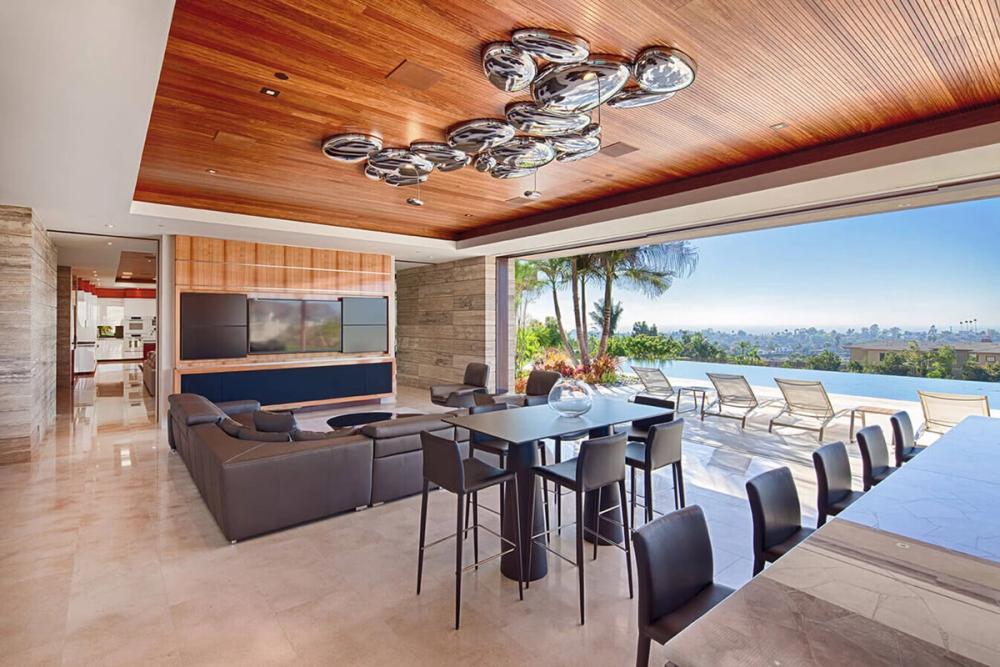
Furniture should answer to the architecture first. A low sofa keeps the view open for the room behind it. In a long dining area, standard furniture dimensions may feel out of scale, and a custom table can better suit the room’s proportions. Storage often becomes part of the architecture itself, with cabinetry handling books, media equipment, barware — and most importantly in a coastal home, your beach gear.
Project name or photo credit here
We applied this thinking throughout the California Coastal Modern Retreat, one of our projects in Encinitas. Our work there covered architecture, interior design, bespoke furniture and cabinetry, art curation, all with an emphasis on outdoor living. Here, the color palette and connection to the outdoors grew out of the architecture and the coast rather than being layered on afterward.
Window placement decides what you see from each room and where the sunlight falls as the day goes on. A west-facing living room might get several hours of strong afternoon sun, which is lovely in February and a lot in August. We study the home’s real sun exposure before placing furniture or planning exterior shade.
After sunset, windows turn into mirrors creating a different kind of lighting challenge. Lamps, sconces, and task lighting placed with care keep the room comfortable without throwing glare across the windows — that way, you’re looking out at the evening instead of at your own reflection. Warm, low light also brings out more texture in stone, wood, and fabric for a cozy, lived in feeling.
Deep overhangs block the high midday sun before it reaches the windows, so rooms stay cooler without needing to close your blinds to the view. Trees and landscaping near the house add a softer, dappled shade that moves with the breeze, which feels and looks much better than a solid wall of shadow.
The breeze needs room to move, as well. When windows and doors are placed strategically through the house, an ocean breeze can come in one side and out the other, cooling the rooms along the way. That only works if the path stays clear. A big bookcase or sofa parked in front of an opening can stop that airflow cold, so we map out furniture accordingly.
The threshold between inside and out deserves the same attention. Floor levels, door details, and the switch from interior to exterior flooring decide whether stepping onto the terrace feels effortless or like you’re about to stub your toe. Those big openings also need careful detailing for rain and sun — and in beach houses, flooring has to handle constant sandy foot traffic for years to come.
And coastal covers very different climates. Southern California means marine air, strong sun, and long dry stretches. In the U.S. Virgin Islands, we design for humidity, tropical weather, salt, airflow, elevation, and hurricanes. Each of those changes how we specify glazing, shade, drainage, and exterior materials.

photo credit or project name goes here
The coast is hard on a house. Salt air speeds up corrosion in vulnerable metals, strong sun fades finishes, and humidity works its way into wood and cabinetry over time. A home near the water needs materials chosen with all three in mind.
Some spots take more of a beating than others. The sofa closest to the terrace door sees more sun, wet beach towels, and cleaning than anything deeper inside the house, so it needs a fabric that can handle it and still look good.
The right materials also change how a home feels to live in. Stone stays cool underfoot on a hot afternoon, and timber cabinetry brings warmth and visible grain to the surfaces you touch every day.
Hardware is the detail most people forget until it fails. A pull that pits in salt air or a hinge that starts sticking turns into a daily annoyance quickly. The same goes for the parts you’ll never notice until they stop working: door tracks, window components, and even the hidden fasteners holding everything together all need materials made for coastal conditions.
We also think about how things will age. The best materials get better with time, like finishes that develop a beautiful patina over the years. And when something does wear, components that can be repaired instead of replaced keep the home in good shape for the long haul.


With the ocean already framed in the windows, the art doesn’t need to hammer the message home. An abstract painting or a piece you’ve carried with you for years brings in color and personal history without a single wave, sailboat, or seashell — and it’s often what makes a coastal home feel like yours.
The best coastal interior design ideas start with how you live. If breakfast happens on the terrace most mornings, the furniture out there should make that easy. If you host big dinners, the path between kitchen and terrace matters, and so does having serving storage close to both. An art collection needs long, uninterrupted walls, which shapes where windows can go, and books and objects need their own cabinetry and shelf space. These everyday decisions shape the interior long before anyone picks a paint color.

At Matrix Design Studio, we talk through scope and budget early, so you know how the project is structured before design work begins. We start by listening to how you use your home, what you want to change, and where you want to invest. Those conversations set the practical parameters for everything that follows.
If you’re planning a custom home or major renovation, start a conversation with our studio about the scope, priorities, and investment you have in mind.