Building In Both: Where Seas Meet Fault Lines
Author: Cheyenne Arnold OCT 1, 2025
DISPATCH 002: Different climates, codes, and cultures — with crossovers that flow between them.
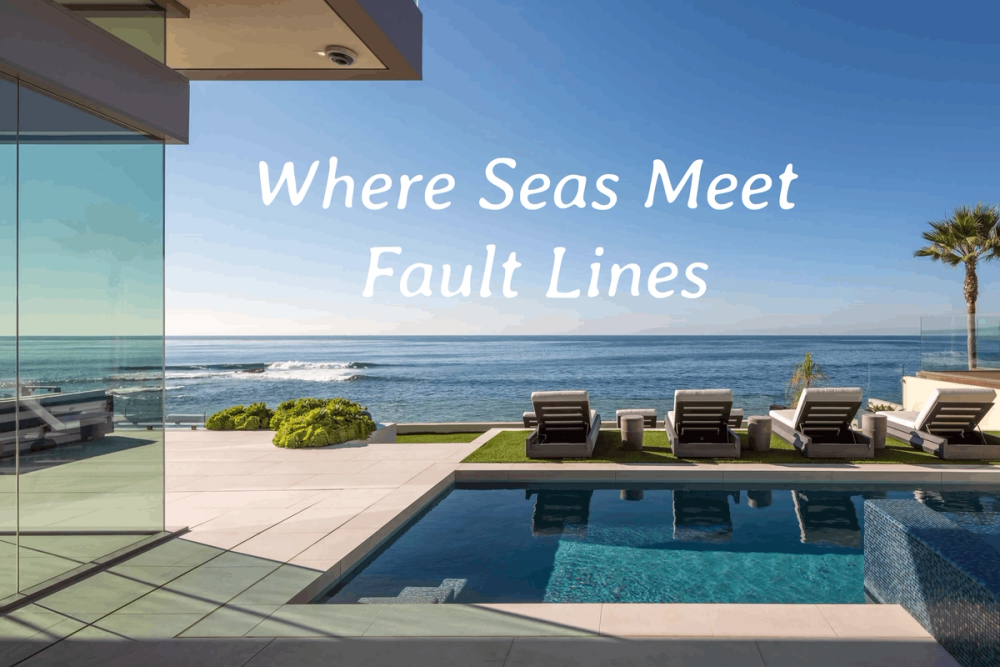
DISPATCH 002: Different climates, codes, and cultures — with crossovers that flow between them.
Our work between California and the Caribbean has taught us how to adapt, problem solve, and create homes with intention and efficiency. Both regions invite a life that flows easily between indoors and out — and both demand resilience, sustainability, and respect for the realities of their environment.
In the Caribbean, building a home means working within island-specific constraints. With no fresh water on the island, water has to be collected, stored, and treated. All electricity is imported. Food and materials are shipped in. Waste management is localized.Every project has to integrate sustainable technologies like solar panels, aerated sewage tanks, rainwater collection, and treatment systems. These aren’t luxury add-ons — on the islands, they’re essential.
The processes we’ve established in the Caribbean have unlocked methods to make challenging building sites in California not only possible but immeasurably improved. In Southern California, solar and water systems are often seen as optional upgrades. Our experience in the Caribbean has shown us a different, better way. By bringing those same practices to San Diego, we’ve reimagined what’s possible — creating homes that thrive with cost-effective resilience and sustainability.
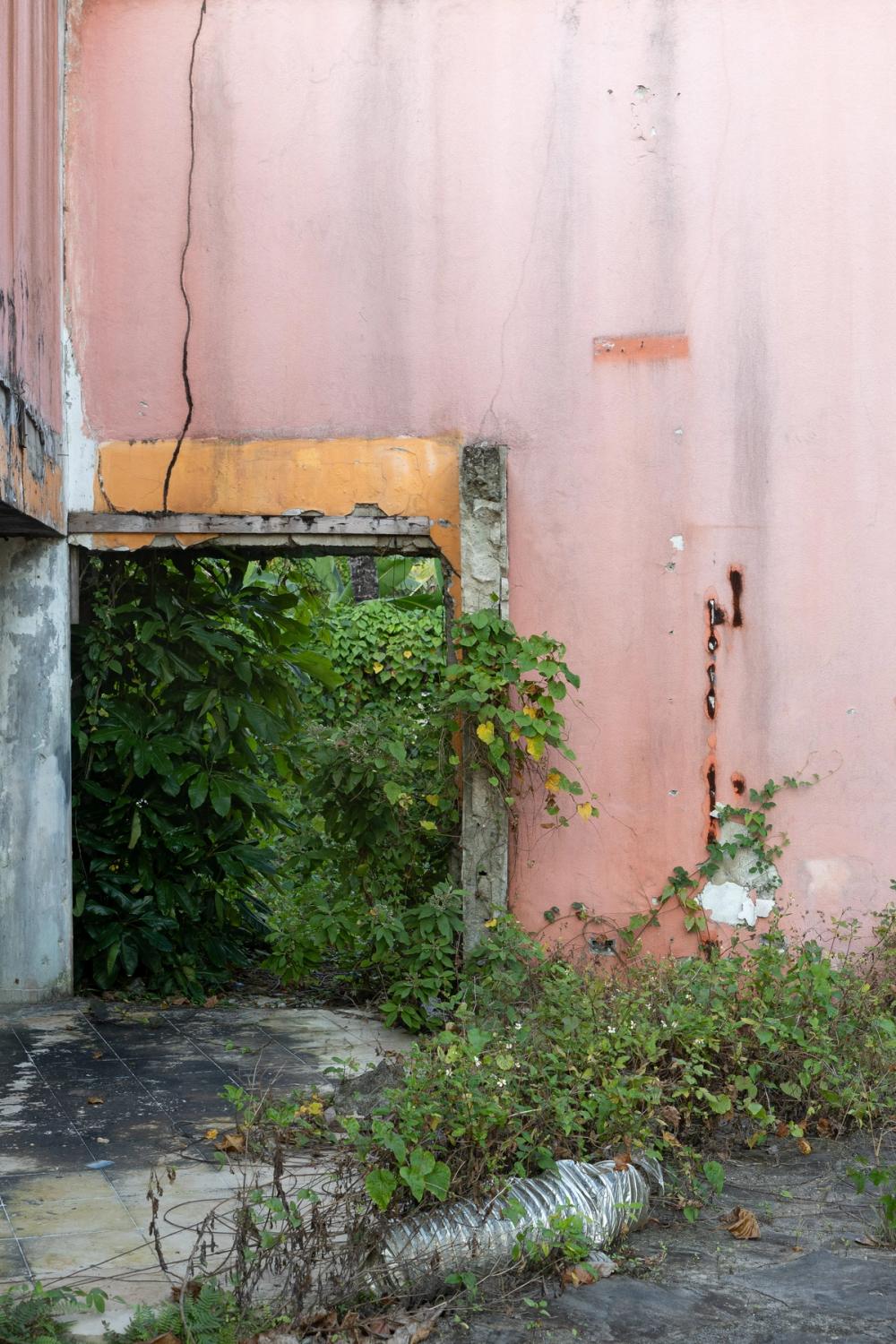
Both environments also face extreme natural forces: hurricane winds, seismic activity, and drought. In California, our projects are engineered for earthquakes. In the Caribbean, we must consider both seismic conditions and hurricanes. That’s why resilience is so important — ensuring a home holds its strength and preserves the integrity of its design for generations.
Hurricanes bring their own unique challenges. A single season in the U.S. Virgin Islands can see as many as 15 storms. If homeowners had to treat every storm as catastrophic, they’d spend their entire summer moving furniture inside, nailing plywood over every window, and living on high alert.
The reality is most people don’t do it, or they wait too long, because the process is exhausting. That’s why we design homes that are easy to close up quickly.
If you can secure the house in an hour, you’re far more likely to do it — every single time. We’ve worked through countless systems to make hurricane prep intuitive, straightforward, and achievable on short notice.
If our projects in these two wildly different and equally beautiful regions have taught us anything, it’s that resiliency and sustainability can go hand in hand.