
Built to Last: Notes from Japan
MARCH 4, 2026
DISPATCH 004: What Japan showed us about continuity, craft, and care
DISPATCH 004: What Japan showed us about continuity, craft, and care
Mark is a designer at Matrix Design Studio and a father who believes travel is one of the best teachers. Exposing his family to different cultures, traditions — architecturally or otherwise — and ways of living has become a rewarding priority. Each year, Mark and his family plan extended trips during the off-season, combining work with exploration. They've done it in Europe, and most recently, in Japan. What follows are his observations on craft, longevity, and what happens when a culture decides to maintain instead of replace.
My wife and I are from Taiwan and came to the United States in the early 2000’s. Culturally speaking, these two places are relatively young when it comes to visible history. The U.S. is about 250 years old, and while Taiwan’s history runs much deeper, because of geography and shifting control over time, much of what was built has been rebuilt; only a handful of the very early colonial historical sites are preserved. You don’t quite see things that are clearly beyond the imaginable past.
The curiosity of wanting to see places with cultures rooted from thousands of years ago is part of why we travel the way we do. Each year, we take an extended trip as a family, usually in the off season, when places feel more like their natural selves without tourists. We initially gravitated toward Western Europe. Aside from enjoying the local cuisines and festive markets, we were overwhelmed by the rich European histories — the streets where the Romans once marched, the Cathedral where Napoleon was coronated, the rebuilt of war-torn cities… just to name a few.
Our recent trip was Japan. Asia was not the center of our focus since we both grew up in Taiwan and assumed Japan wouldn’t be too different culturally, given Taiwan had been long influenced by Japan for a long period… instead, it surprised us completely!
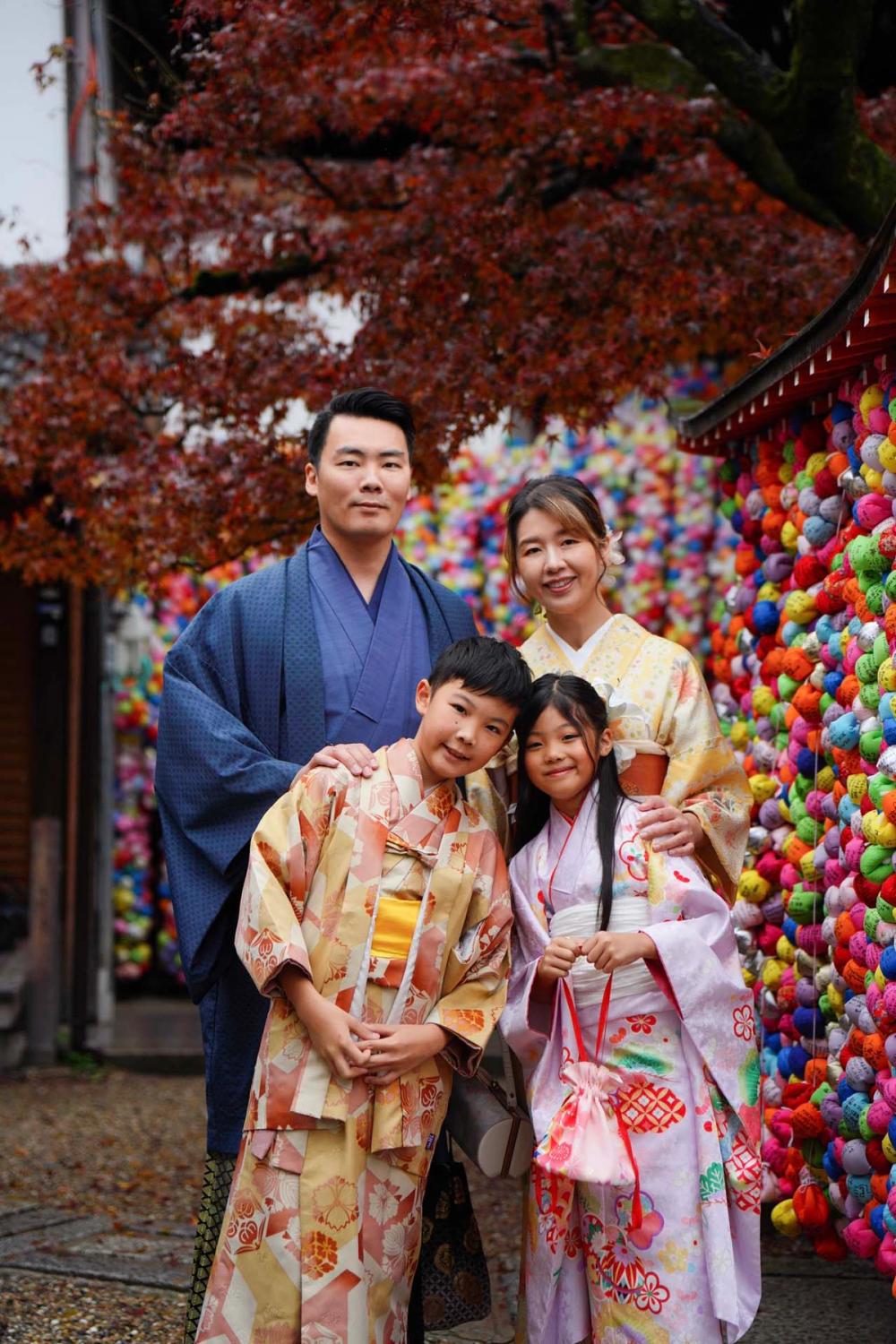
While we can clearly see lots of similarities between Taiwan and Japan, and we knew Japan would be culturally richer because that’s where the influence originated from, we weren’t expecting it to be cranked up 200%. Right away, we noticed how quiet and how clean and organized everything was — even in busy airports and train stations people stood in line without being told to and movement felt intuitive without feeling rigid or performative, but rather, shared. As an architect, that was impossible to ignore. Culture and space not as separate entities but working together, reinforcing one another in small, everyday ways, and together as a whole shaped the Japanese culture that we know today. Which is inspiring for our design as architects – from a small detail integrated in a space, the space coexist with other spaces and becomes the architecture, and the architecture marrying the landscape. There is a harmonious order and that’s what we strive for at Matrix.
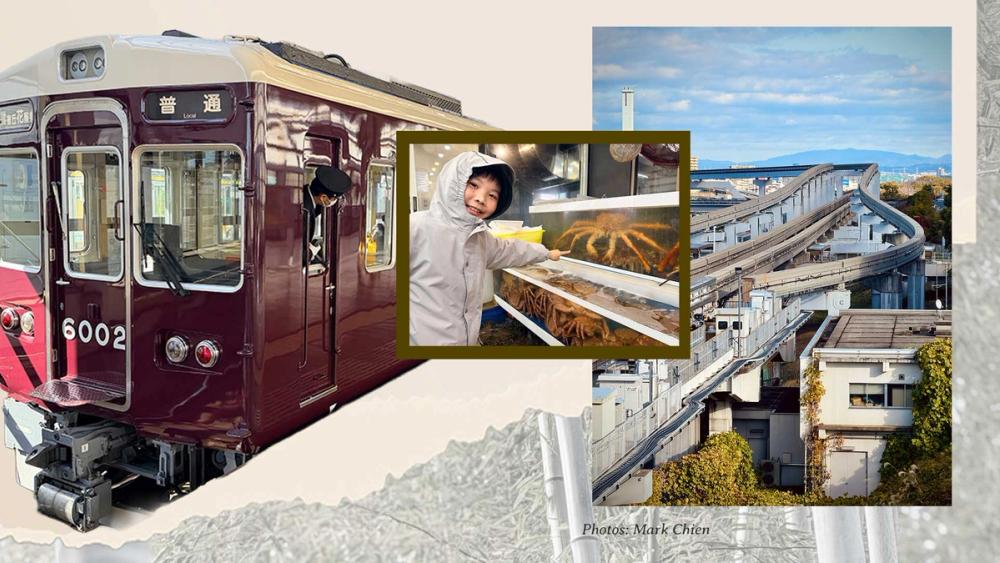
I’ve always been drawn to older things. I love vintage watches, coins, and even drive a classic Mini. These objects are magical in my eyes because they each tell a story that lasts through decades, or even century. They were made in response to the need of the time, although today these items are no longer in production, but they offer a glimpse into the past. One can truly examine an old coin and be mesmerized by the details and the imperfection of handcrafting when the original die was sculpted, The vintage watches shows the precision of craftsmanship at a time where there was no laser cutting and still tell the time accurately today; The classic car that can always be fixed up and put a smile on the driver’s face and drive alongside modern cars and turn heads. It is because when these items were made, they were made with good design and quality in mind. I certainly see how vintage items are still being appreciated during the trip in Japan, but more impressively is the architecture. Some wood-framed houses that were built in the Edo period (early 1600’s) are still in perfect condition today. They are not protected by the local government or historical society (maybe more or less some), but rather by the responsibility of the owner. Many of those are privately owned and even have the first level being shops in the tourist area, but it’s the sturdy design and proper maintenance that bring them into the modern time.
































I am truly inspired by this trip. I deeply believe architecture cannot just be the now. We must first understand the past and see how it led to the now in order to know how to project into the future. Here at Matrix, we strive for timelessness. That our designs will tell stories in many years to come, and this continuity in time becomes the drive in good architecture. — Mark Chien